Someone once asked me to name the single best city in Europe and I refused. Not because I couldn't choose, but because the answer genuinely depends on who you are and what you're looking for. I've had transcendent experiences in tiny Valletta and overwhelming ones in massive Paris. I've been bored in Venice and completely captivated by unglamorous Marseille.
Western Europe's Essential Cities
1. Lisbon, Portugal
Lisbon is the current consensus choice for Europe's finest city — a compact, hilly capital of extraordinary character where Moorish tiled facades, fado music, and one of the continent's best food scenes coexist at Western Europe's most accessible prices. The Alfama district, the Belém waterfront, the Time Out Market, and the Sintra day trip create a city that rewards 3–4 days of genuine engagement. Full planning details in our complete Portugal guide.
2. Barcelona, Spain
Gaudí's impossible architecture, the Gothic Quarter's labyrinthine streets, the Barceloneta beach, and a food scene ranging from market pintxos to Michelin three-stars create Europe's most visually stimulating city break. Book the Sagrada Família and Park Güell weeks ahead in summer. Full coverage in our Spain guide.
3. Amsterdam, Netherlands
The canal ring (UNESCO), the Rijksmuseum's Rembrandt collection, the Anne Frank House (pre-book months ahead — capacity is strictly limited), and the extraordinary Dutch food culture centred on the Albert Cuyp market create a city that rewards cycling between its highlights in a way no other European capital matches. Amsterdam's canal houses are the world's finest examples of 17th-century commercial architecture at scale — 6,500 protected buildings within the canal ring alone.
4. Vienna, Austria
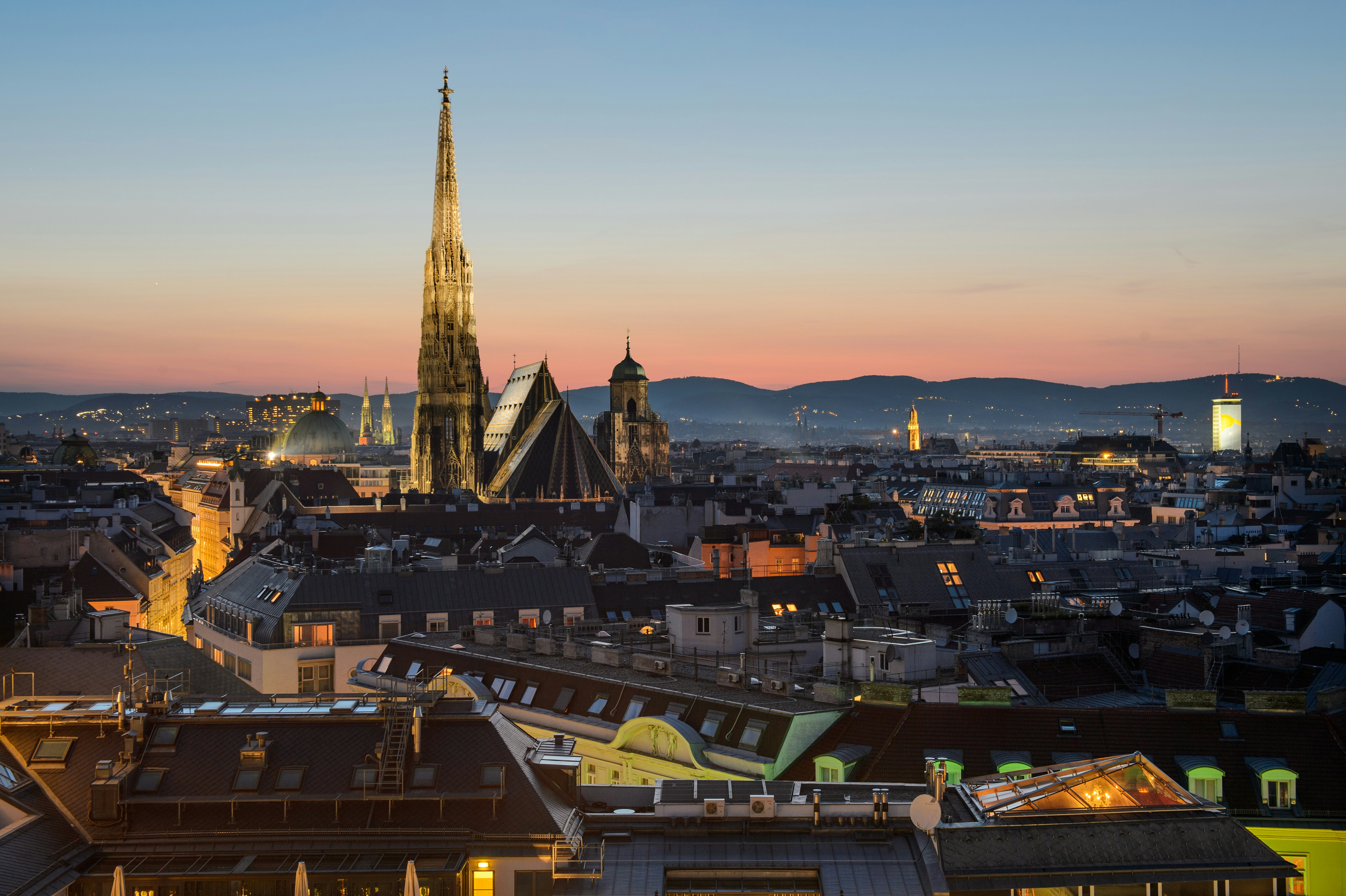
The former capital of the Habsburg Empire concentrates more art, music, and intellectual history than any comparably sized city on earth. The Kunsthistorisches Museum (Charles V's collection, including Vermeer, Brueghel, and the world's largest Raphael collection outside the Vatican), the Belvedere's Klimt collection (The Kiss in its original scale — larger and more luminous than any reproduction suggests), the Schönbrunn Palace, and a coffee house culture officially protected as UNESCO Intangible Cultural Heritage create a city of extraordinary cultural density.
Central and Eastern Europe: The Value Destinations
What I can do is tell you which cities consistently deliver against specific criteria — best for food, best for history, best for solo travelers, best for families. That's a much more honest and useful guide.
5. Prague, Czech Republic
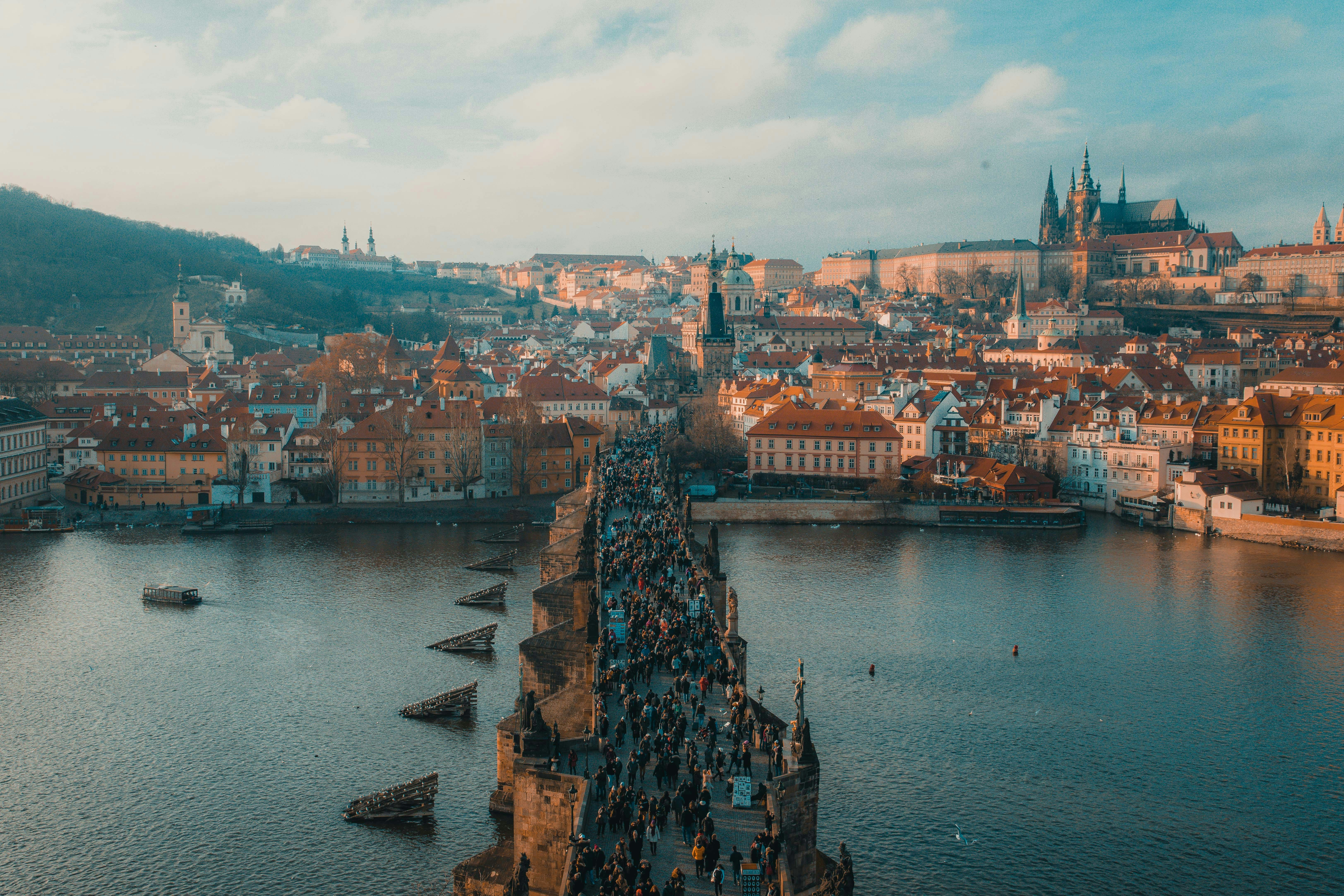
Prague's Old Town preserves medieval architecture on a scale that no Western European capital can match — the Old Town Square, the Astronomical Clock (15th century, still operational), Charles Bridge at dawn, and Prague Castle (Europe's largest ancient castle complex) create a visual experience of extraordinary density. Crucially, Prague costs approximately 40% less than comparable Western European cities — excellent food and accommodation at prices that make it one of Europe's best value city breaks. Book using our budget travel strategies.
6. Budapest, Hungary
Budapest is the most dramatically beautiful city in Central Europe — two distinct cities (Buda and Pest) separated by the Danube and connected by the Chain Bridge, with the neo-Gothic Parliament building reflecting in the river at night in one of Europe's most extraordinary urban panoramas. The thermal bath culture (Széchenyi, Gellért, Rudas — all operating in 19th-century architectural confections at €15–€25/entry) is Budapest's most celebrated daily ritual. The ruin bar culture of the Jewish Quarter (Szimpla Kert as the original, now dozens of alternatives) creates a nightlife scene unlike any other European city.
7. Kraków, Poland
Kraków's Old Town — the only major Polish city to survive World War II largely intact — contains Poland's finest medieval architecture: the Wawel Castle and Cathedral on the hill above the Vistula, the vast Cloth Hall market square, and the Jewish Quarter of Kazimierz whose cafés, klezmer music, and Holocaust history create a city of unusual emotional complexity. The Auschwitz-Birkenau Memorial (90 minutes by bus) is visited by 2 million people annually — a site of profound historical importance that every visitor to southern Poland should include.
✈️ Explore Europe's Best Cities
Find cheap flights to any European city and book the best hotels with us.
✈ Search Flights 🏨 Book Hotels 🎫 Book ToursNorthern Europe: Design, Nature, and Authenticity
8. Copenhagen, Denmark
The world's most functional capital — where world-class design, cycling infrastructure, and Noma-catalysed New Nordic cuisine create a city that consistently tops quality-of-life and happiness rankings. The Tivoli Gardens (open 1843, the world's second-oldest amusement park, magical in the evening), the Louisiana Museum of Modern Art (40km north, combining Giacometti and a clifftop setting above the Øresund), and the Meatpacking District's restaurant concentration make Copenhagen Europe's finest food city in 2026 by most assessments.
9. Edinburgh, Scotland
Edinburgh's combination of medieval Old Town (the Royal Mile from Castle to Holyrood Palace), Georgian New Town, Arthur's Seat (an extinct volcano with city panoramas accessible by 45-minute walk), and the world's most atmospheric whisky culture makes it the most distinctive British city. The Edinburgh Festival in August — the world's largest arts festival, filling the city with 3,000+ performances daily — creates the most intense cultural environment available anywhere on earth for three weeks each year. Book accommodation 12 months ahead for August; the rest of the year is accessible with normal planning.

Mediterranean and Southern Europe
10. Rome, Italy
Rome is the world's greatest open-air museum — 2,800 years of continuous habitation have layered monument over monument in a density that defeats any attempt at comprehensive coverage in a single visit. The Vatican Museums and Sistine Chapel (book 2+ months ahead), the Colosseum (book same), the Pantheon (free entry), and the evening passeggiata culture around Campo de' Fiori create a city where the correct approach is walking slowly and allowing extraordinary things to appear unexpectedly — a Roman temple column incorporated into a medieval church wall, a 16th-century fountain operating in an alley that tourists don't photograph.
11. Dubrovnik, Croatia
The "Pearl of the Adriatic" — a walled medieval city on a limestone promontory above the Adriatic — is among Europe's most photographed cities. The 2km wall walk above the terracotta rooftops, the Game of Thrones filming locations (the city served as King's Landing), and the extraordinary clarity of the Adriatic below the cliffs create a setting of theatrical beauty. Visit May or September — July–August crowds are extremely intense and the city has implemented visitor number caps.
12. Athens, Greece
The Acropolis, the Plaka neighbourhood, and a restaurant scene that has transformed over the last decade create a city of surprising depth beyond its archaeological reputation. The Athens street food scene (souvlaki, spanakopita, loukoumades) is among Europe's finest value eating. Athens is also the natural gateway to the Greek islands — most visitors combine 2–3 city days with an island circuit. Full coverage in our Greece guide.

How to Visit Multiple European Cities Efficiently
Europe's rail network makes multi-city itineraries viable and often more enjoyable than flying between cities. The Paris–Amsterdam–Brussels triangle by Eurostar and Thalys, the Rome–Florence–Venice circuit by Trenitalia, and the Madrid–Seville–Barcelona triangle by AVE all provide city-to-city travel that competes with flying on total journey time (including airport procedures) and dramatically outperforms flying on comfort and city-centre accessibility. Our Europe by train guide covers the complete rail strategy including Eurail pass versus point-to-point ticket analysis.
For flights between cities not connected by fast trains, use our hidden flight deals guide — intra-European budget airline fares booked 6–8 weeks ahead frequently undercut rail for longer distances.
The Art of the European City Break: Practical Guide
The European city break — 3–4 days in a single city — is the continent's most refined travel format, and it has specific strategic dimensions that experienced travelers use to maximize the experience per day:
Flight timing for city breaks: Friday evening outbound, Sunday evening return maximizes working days used while providing 2 full discovery days. Thursday evening to Monday morning adds a full third day for a 4-day break. The Thursday evening option frequently prices lower than Friday (business travel demand peaks Friday afternoon) — check both options using our flight comparison tool. Flying into secondary airports (Brussels for Amsterdam, Hahn for Frankfurt, Girona for Barcelona) saves money but adds transit time — calculate the total door-to-door journey time before deciding the low-cost option is actually faster.
Neighbourhood over landmark strategy: The most memorable European city experiences rarely happen at the Eiffel Tower or the Colosseum — they happen in the residential streets 15 minutes' walk from the tourist circuit, in the café where locals read their newspapers, at the market that supplies the neighbourhood rather than tourists. Allocate half of each day to structured sightseeing and half to neighbourhood-level exploration without a specific destination. The unexpected encounters — a courtyard, a tiny museum in a palais, a street musician of extraordinary quality, a conversation that opens into an invitation — are the experiences that distinguish a city break from a museum tour.
Eat where local professionals eat at lunch: In Paris, it's the brasserie near the office buildings with a €14 menu including wine. In Madrid, the tapas bar where construction workers drink beer at 2pm. In Vienna, the Würstelstand (sausage stand) at which lawyers and architects stand alongside tourists eating Käsekrainer. Lunch reveals the city's working culture in ways that dinner (which caters increasingly to visitors at premium prices) cannot. Use our food travel guide for neighbourhood-level restaurant recommendations in Europe's finest food cities.
Hidden Gems: Europe's Overlooked Small Cities
Beyond the 15 cities covered above, Europe's most rewarding discoveries for experienced travelers are the medium-sized cities that haven't yet appeared on international travel lists:
Matera, Italy (Basilicata): The Sassi di Matera — cave dwellings carved into a ravine, inhabited continuously since the Palaeolithic — is one of Europe's most extraordinary inhabited landscapes and a UNESCO World Heritage Site of haunting beauty. European Capital of Culture 2019, still less visited than any comparable Italian destination. Rock-cut churches with Byzantine frescoes, cave hotel accommodation (genuinely caves, genuinely spectacular), and the complete absence of the Amalfi Coast's crowds.
Ghent, Belgium: Consistently rated by European travel writers as the continent's most underrated city — medieval architecture (the three towers of Ghent's skyline are Belgium's finest medieval ensemble), an extraordinary canal network, the world's largest single painting (the Ghent Altarpiece by the van Eyck brothers, 1432, displayed in its full 20-panel format for the first time since 1432 after a 10-year restoration), and a lively university city atmosphere create a city that exceeds expectations established by any description of it.
Bologna, Italy: Italy's food capital (the origin of Bolognese ragù, mortadella, tortellini, tagliatelle, and the spritz's most civilized Italian expression), its most medieval surviving skyline (20 towers remaining from an original 100+), and the world's oldest continuously operating university (1088) create a city of extraordinary substance that receives a fraction of Florence's visitors with a fraction of Florence's tourist infrastructure pressure. Three hours from Florence by train.
European City Travel on a Budget: Complete Strategy
European city breaks need not be expensive — the gap between a budget and mid-range European city visit is primarily accommodation (hostels versus hotels) and food (supermarket meals versus restaurants). The middle ground that provides the best value:
- Stay in well-reviewed budget hotels, not hostels or expensive hotels: The €50–€80/night category in most European cities (Ibis, generators, local boutique guesthouses) provides private rooms, clean bathrooms, and central locations without hostel dorm compromise or hotel premium. Use our fast booking guide for same-day European hotel deals that often produce 30–40% savings.
- Lunch at sit-down restaurants, dinner at markets: European lunch menus (formule, menu del día, Mittagstisch) offer full meals at 40–60% of dinner prices. Evening food markets (La Boqueria in Barcelona, Borough Market in London, Naschmarkt in Vienna) provide excellent quality at market rather than restaurant prices.
- City cards for active sightseers: The Paris Visite, London Pass, Copenhagen Card, and Amsterdam City Card all pay for themselves for visitors who use transport extensively and visit 4+ paid attractions per day. Calculate before buying — a museum-light day trip makes the card a loss; a museum-intensive day makes it a significant saving.
- Walk between sights wherever possible: The greatest cities reward walking — the route between the Louvre and Notre-Dame in Paris, the Old Town to Wenceslas Square in Prague, the waterfront to the Borghese Gallery in Rome — as much as the destinations themselves. The €3 metro saves 15 minutes; the walk saves €3 and provides the most memorable city images.
See our Europe budget guide for the complete cost-reduction strategy applied across specific countries and cities.
Frequently Asked Questions About European City Travel
What is the cheapest European city to visit?
Kraków, Bucharest, and Sofia are the most affordable European capitals — €35–€50/day covers accommodation, food, and activities. Prague, Budapest, and Lisbon provide excellent value at €50–€80/day. Apply our cheapest countries guide for comprehensive European budget comparisons.
Is the Eurail Pass worth buying for European cities?
For 4+ countries in 2–3 weeks, yes. For 2–3 countries or mostly city-stays, point-to-point tickets booked ahead often provide better value. See our complete Europe train guide for a detailed Eurail vs. point-to-point analysis by itinerary type.
How many European cities can you visit in 2 weeks?
Comfortably 3–4 cities with 3–4 nights each. More than this becomes a transit experience rather than a genuine engagement with each place. The ideal 2-week Europe itinerary chooses a connected region (Scandinavia, Iberia, Central Europe) and covers it thoroughly rather than hopping between unconnected highlights.