I've spent significant time in fourteen Asian countries and each one has managed to surprise me — usually within the first 24 hours. Asia is the continent that most consistently defies expectation, where the stereotypes collapse fastest on arrival and the real experience turns out to be simultaneously more chaotic and more beautiful than you imagined.
East Asia: The Contrasts of Tradition and Modernity
1. Tokyo, Japan
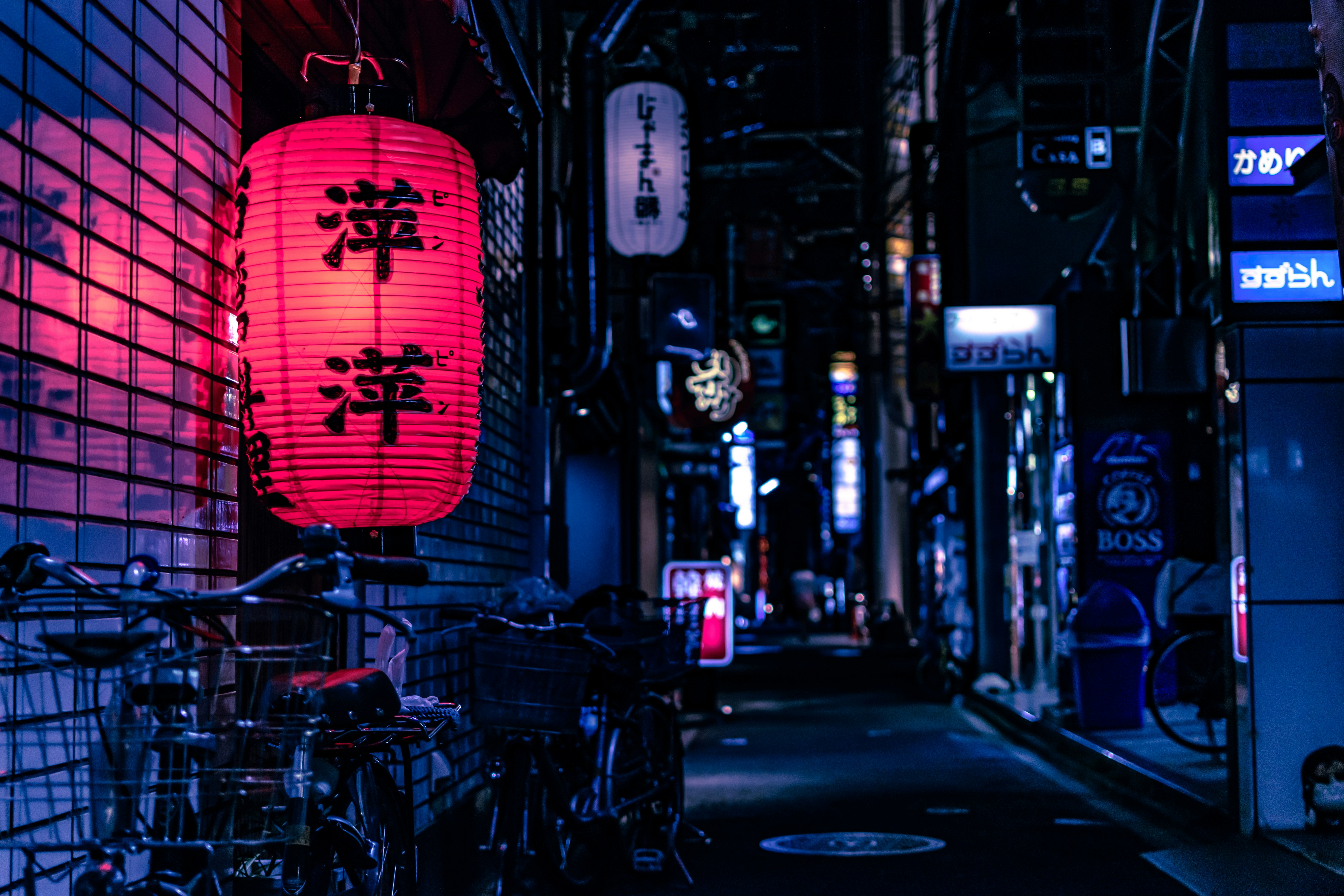
Tokyo is the world's most extraordinary city — a megalopolis of 37 million people that functions with a precision, cleanliness, and consideration for public experience that makes every other major city seem slightly chaotic by comparison. The contrast between ancient (Senso-ji temple in Asakusa, surrounded by Tokyo's most atmospheric traditional streets) and ultra-modern (Shibuya Crossing, the Mori Art Museum, teamLab's digital art installations) is not a tension but a coexistence that Tokyo has perfected over decades. The food — more Michelin-starred restaurants than any other city on earth, but also world-class ramen, sushi, and tempura for $5–$15 — makes Tokyo the world's finest food destination by most assessments. See our comprehensive Japan guide for Tokyo planning details.
2. Kyoto, Japan
Japan's ancient capital contains 1,600 Buddhist temples, 400 Shinto shrines, and a traditional arts culture (tea ceremony, ikebana, Noh theatre, geisha districts) that makes it the world's finest destination for Japanese cultural immersion. The Fushimi Inari torii gate forest (5,000+ orange gates winding up a mountain, best at 5am before crowds arrive), the philosopher's Walk in cherry blossom season (late March–early April), and the private ryokan dinner experience create a visit of extraordinary depth. Book accommodation 6–12 months ahead for cherry blossom and autumn foliage seasons.
3. Hong Kong
Hong Kong's harbour — with the Victoria Peak panorama above and the light show across the skyline at 8pm — is Asia's finest urban vista. The contrast between the financial district's glass towers and the traditional fishing villages of the outlying islands (Cheung Chau, Lantau) within 40 minutes by ferry; the extraordinary dim sum culture; and the MTR system's efficiency create a city that functions as both cultural destination and gateway to mainland China.
Southeast Asia: The World's Best Value Travel Region
Asia is not one thing. Southeast Asia and East Asia and South Asia are as different from each other as France is from Morocco. This guide treats them with the specificity they deserve.
4. Bali, Indonesia
Bali combines Hindu temple culture, rice terrace landscapes, international-standard food and spa culture, and exceptional beaches in an island of 4,000 sq km. The Ubud arts district, the Tegallalang rice terraces at sunrise, the Uluwatu cliffside temple at sunset, and the private villa pool culture create an island that accommodates every travel personality — cultural depth, natural beauty, wellness retreat, and beach hedonism all within a 2-hour drive. Full planning in our complete Bali guide.
5. Vietnam
Vietnam's 3,000km north-south length produces extraordinary diversity: Hanoi's 1,000-year-old Old Quarter and Hoan Kiem Lake in the north, the UNESCO World Heritage ancient town of Hoi An in the centre, the dramatic karst scenery of Ha Long Bay (2,000 limestone islands emerging from the Gulf of Tonkin), and Ho Chi Minh City's frenetic energy in the south. Vietnam's street food culture — pho (noodle soup), bánh mì (baguette sandwich), fresh spring rolls — is one of the world's finest and available for $1–$3 per dish throughout the country. Full coverage in our Vietnam guide.
6. Thailand
Thailand has been Southeast Asia's most visited country for decades — and the combination of beach perfection (the Andaman Sea islands, Gulf of Thailand beaches), ancient temple culture (Chiang Mai's 300 temples, Ayutthaya's ruined UNESCO city), and extraordinary food provides the regional introduction that most travelers choose first. Bangkok's street food scene, night markets, and international food diversity make it arguably Southeast Asia's finest food city. Full planning in our Thailand guide.
7. Cambodia: Angkor Wat
Angkor Wat — the world's largest religious monument, built between the 9th and 15th centuries across 400 sq km of the Khmer Empire's religious complex — is Southeast Asia's most extraordinary archaeological site. The main temple (Angkor Wat), the Bayon temple's 216 serene stone faces, and Ta Prohm's jungle-reclaimed ruins (the "Tomb Raider temple") together represent a civilization of extraordinary architectural ambition. Siem Reap provides the modern base — 3–4 days allows thorough coverage. Budget $37 (3-day pass) to $72 (7-day pass) for Angkor entry.
✈️ Explore Asia at the Best Prices
Find cheap flights to any Asian destination and book the best hotels.
✈ Search Flights 🏨 Book Hotels 🎫 Book Tours
South Asia: Ancient Civilizations
8. India: The Golden Triangle
India's Golden Triangle (Delhi–Agra–Jaipur) represents the country's most accessible introduction — the Taj Mahal, Jaipur's Pink City palaces, and Delhi's Mughal monuments in a circuit coverable in 7–10 days. India's depth extends far beyond this circuit — see our complete India travel guide for the full country coverage including Kerala, Varanasi, and the Himalayan regions.
9. Nepal and the Himalayas
Nepal is the world's most accessible Himalayan destination — Kathmandu's Durbar Square, Pokhara's lakeside below the Annapurna range, and the Everest Base Camp Trek (60km over 12 days, reaching 5,364m) create a spectrum from accessible cultural tourism to the world's most celebrated long-distance trekking. The Annapurna Circuit (16–21 days at its most complete) is often cited as the world's finest long-distance trek. All treks require permits (available in Kathmandu or Pokhara) and a guide for certain restricted areas. Travel insurance with helicopter evacuation coverage is essential for Himalayan trekking.
10. Sri Lanka
The teardrop island below India offers the Asia circuit's finest value after Southeast Asia — the Cultural Triangle (Anuradhapura, Polonnaruwa, Sigiriya rock fortress), the Kandy Hill Country tea plantations and the World's End viewpoint, and the southern coast beaches (Mirissa, Tangalle, Arugam Bay for surfing) create a complete travel destination in a country the size of Ireland. The hill country train from Kandy to Ella is consistently cited as one of Asia's most scenic railway journeys — 7 hours through tea estates, bridges, and tunnels at 1,800m altitude.
Central Asia: The Silk Road
11. Uzbekistan: Ancient Silk Road
Uzbekistan's Silk Road cities — Samarkand, Bukhara, Khiva — contain Islamic architecture of extraordinary scale and refinement, built when Central Asia was the nexus of Eurasian trade between the 9th and 15th centuries. The Registan in Samarkand (three madrasas surrounding a central plaza, their facades covered in intricate tilework and calligraphy) is one of the world's finest public spaces. Uzbekistan is newly accessible — e-visa available for 90+ nationalities, direct flights from London and major European cities, and tourism infrastructure developing rapidly. Use our cheapest countries guide — Uzbekistan is currently exceptional value.
East and Southeast Asia Practical Guide
Practical Asia travel tips that experienced travelers use:
- Book popular accommodation in Japan 6+ months ahead: The best ryokan and boutique hotels in Kyoto, Hakone, and Tokyo fill completely for cherry blossom season (late March–early April) and autumn foliage (November). This is not an exaggeration — the Ritz-Carlton Kyoto sells out a year ahead for peak season.
- Get vaccinations 6–8 weeks before Southeast Asia travel: Hepatitis A, Typhoid, Japanese Encephalitis, and malaria prophylaxis (for rural areas) require time to complete before departure. A travel medicine consultation provides country-specific recommendations.
- Download offline maps before entering rural Asia: Mobile data coverage is excellent in cities but can drop in rural areas. Google Maps offline downloads for each region, saved before departure, prevent the navigational anxiety that catches travelers unprepared.
- Use Grab for transport throughout Southeast Asia: The regional equivalent of Uber, operating in Singapore, Malaysia, Indonesia, Thailand, Vietnam, Cambodia, and Philippines. Eliminates taxi negotiation and provides price transparency that transforms urban transport.
- Budget significantly for Japan relative to the rest of Asia: Japan is expensive by regional standards — $80–$150/day mid-range budget is realistic. Southeast Asian budgets of $30–$60/day are realistic. See our Southeast Asia budget guide and Japan guide for detailed cost breakdowns.
Compare cheap flights across Asia using our flight comparison guide — intra-Asia budget carriers (AirAsia, Scoot, Cebu Pacific, Vietjet) connect the region's major destinations for $20–$80 booked ahead, making multi-country Asia trips genuinely accessible.
Japan in Depth: Beyond Tokyo and Kyoto
Japan rewards return visitors with regions entirely different from the Golden Route (Tokyo–Kyoto–Osaka) that most first-time itineraries follow. The regions that provide the deepest Japan experiences in 2026:
Hokkaido (northernmost island): Japan's frontier region — Sapporo's extraordinary ramen culture (the birthplace of miso ramen, entirely different from Tokyo shoyu or Osaka's kushikatsu culture), the Shiretoko Peninsula's UNESCO wilderness where brown bears fish the rivers in autumn, and the Niseko and Furano ski resorts (consistently among Asia's finest ski terrain with Hokkaido's legendary "Japow" powder) create an island utterly different from the rest of Japan. Lavender fields in Furano (late June–August) are Japan's most spectacular seasonal landscape after cherry blossom.
Kyushu (southernmost main island): Nagasaki's extraordinary history (the world's most poignant atomic bomb memorial after Hiroshima, combined with the lasting evidence of Japan's unique Dejima-era contact with Dutch and Chinese merchants), Fukuoka's hakata ramen and the street yatai (open-air food stalls lining the Nakasu canal), and the active Aso Volcano caldera (one of the world's largest, accessible by rental car from Kumamoto) create an island whose cultural complexity matches Honshu's at considerably lower tourist density. Budget flights from Tokyo on Peach Aviation or Jetstar Japan from $30–$60 booked ahead.
See our complete Japan guide for the full country coverage including the Hiroshima–Miyajima circuit, the Yakushima island ancient cedar forest, and the Takayama and Shirakawa-go mountain village district.
Singapore: Asia's Most Functional City
Singapore's reputation as merely a transit hub for Southeast Asia underestimates one of the world's most remarkable city-states — a country of 5.9 million people on 728 sq km that has built first-world infrastructure, safety, and governance within a tropical Southeast Asian cultural context. The Gardens by the Bay (the Supertrees illuminated by music at night, the Cloud Forest dome with its 35m indoor waterfall), the Hawker Centre culture (extraordinarily good food from $3–$8 per dish at government-maintained food halls that have produced multiple Michelin-starred stalls), and the Changi Airport experience (the best airport in the world, worth a deliberate layover) create a city that surprises visitors expecting antiseptic sterility with genuine warmth and extraordinary diversity.
Singapore is also the most practical hub for exploring Southeast Asia's most accessible destinations — Bali (2h 20m flight), Bangkok (2h 15m), Kuala Lumpur (55 minutes), Ho Chi Minh City (2h), and Phnom Penh (1h 50m) are all within short-haul reach. Using Singapore as a base for 2–3 day regional explorations while maintaining a quality accommodation in a stable city centre produces a Southeast Asia trip of unusual efficiency. See our Southeast Asia guide for regional circuit planning from Singapore.
Taiwan: Asia's Most Underrated Destination
Taiwan is the most consistently recommended under-visited destination by experienced Asia travelers — a democratic island nation of 23 million people that combines extraordinary night market food culture (the Shilin Night Market in Taipei sets the global standard for street food variety and quality), traditional Chinese temple architecture preserved better than anywhere in mainland China, stunning mountain hiking (Taroko Gorge, Alishan Forest Railway, the Central Mountain Range), and a hospitality warmth that surprises every visitor who approaches expecting the brisk efficiency of other East Asian destinations.
Taipei is Asia's finest food city by many measures — the night market circuit alone (Raohe, Shilin, Ningxia) provides three entirely different street food experiences, and the restaurant scene encompasses 24-hour beef noodle soup shops that have been operating since 1949 alongside innovative Taiwanese cuisine restaurants with international chef credentials. Day trips to Jiufen (the hillside gold rush town that inspired Spirited Away's backdrop), Yehliu Geopark (dramatic coastal rock formations), and the Beitou hot springs make Taipei one of the most activity-dense city bases in Asia. Visa-free entry for most Western passport holders, excellent English signage, and outstanding budget accommodation ($30–$60/night for a good guesthouse) make Taiwan logistically the easiest Asian destination outside Japan and Singapore. Compare cheap flights to Taoyuan International Airport (TPE) using our flight comparison guide — Taiwan is often significantly cheaper to reach than Japan while providing equivalent quality of experience.
Frequently Asked Questions About Travelling Asia
Which Asian country is cheapest to visit?
Cambodia ($25–$40/day), Vietnam ($30–$45/day), and India ($25–$40/day) are Asia's most affordable destinations. Thailand ($35–$60/day) and Bali ($40–$70/day) offer excellent value. See our cheapest countries guide for complete cost comparisons.
What vaccinations do I need for Asia?
For Southeast Asia: Hepatitis A and Typhoid are universally recommended. Japanese Encephalitis for rural/extended travel. Malaria prophylaxis for Cambodia, rural Myanmar, and some Indonesian islands. Rabies vaccination for remote trekking. Consult a travel medicine specialist 6–8 weeks before departure for destination-specific requirements.
What is the best time to visit Asia?
It varies dramatically by sub-region. Southeast Asia is generally best November–April (dry season). Japan's cherry blossom (late March–April) and autumn foliage (November) are peak seasons requiring advance booking. India's north is best October–March. Bali is year-round excellent with a dry season June–September. See our individual country guides for specific timing advice.