I once missed a connecting flight in Frankfurt because I didn't know the airport had two separate terminals with no airside connection. I had to re-clear security, sprint across a bus transfer, and still watched my plane pull away from the gate. That €180 rebooking fee was the most expensive lesson of my travel life — and it completely changed how I prepare for airports.
Before You Arrive: Pre-Airport Preparation

1. Get TSA PreCheck or Global Entry (US Travelers)
TSA PreCheck ($85 for 5 years) allows you to keep your shoes on, laptops in your bag, and liquids in your carry-on. Average wait time: 3–5 minutes versus 20–40 for standard lanes. Global Entry ($100 for 5 years) includes TSA PreCheck and expedited US customs re-entry after international travel. The most valuable 5 years of travel investment available to US travelers. Many premium travel credit cards cover this fee as an annual benefit.
2. Get CLEAR (US Airports)
CLEAR ($189/year, or free with certain airline cards) uses biometrics (fingerprint/iris) to bypass the ID-check line entirely. Combined with TSA PreCheck, you move from airport entrance to security exit in under 5 minutes at most major US airports.
3. Check In Online and Use Mobile Boarding Pass
Check in 24 hours before departure (the window typically opens exactly 24 hours ahead) for the best seat selection at no cost. Save your boarding pass to Apple Wallet or Google Pay — phones rarely fail when physical boarding passes get lost, bent, or left in a taxi.
4. Know Your Bag's Dimensions BEFORE the Airport
Bag sizers at budget airline gates catch travelers every day. Ryanair, easyJet, and Wizz Air measure bags rigorously — and the gate fee for an oversized carry-on is €50–€70. Know your bag's exact dimensions. See our carry-on packing guide for guaranteed-compliant bags.
5. Set Multiple Alarms
The most expensive alarm clock failures are the morning of international flights. Set three alarms: the night before (confirm your departure time and terminal), the main wake alarm, and a backup 10 minutes later.
At the Airport: Security and Check-In
Honestly? Most airport stress is avoidable. The travelers who breeze through — the ones who never seem to panic — aren't lucky. They've just done the prep work you haven't yet.
6. Always Choose the Left Security Lane
Studies consistently show that most travelers instinctively turn right at security. The left lane is statistically faster. A small but consistent time-saver.
7. Use the Business Class Check-In Desk Even in Economy
If business class counters are open and economy queues are long, politely ask whether business check-in is available for your flight — at many airports (particularly in Asia), staff will assist regardless of class. Worst case: they say no.
8. Wear Slip-On Shoes Through Security
In countries that require shoe removal (primarily US), slip-on shoes eliminate the awkward sock-slide and rebuckling that slows down the belt area for everyone behind you. A consistent 60–90 seconds saved at US security checkpoints.
9. Pack Your Security Bag Intelligently
Laptop in an accessible top pocket, liquids bag on top of carry-on contents (not buried), electronics in an accessible layer — preparation that takes 30 seconds when packing prevents 3–5 minutes of rummaging at security. Use our packing system for organized bag architecture.
10. Know Your Airport's Layout Before Arrival
Google Maps airport interior maps, terminal maps on the airline's website, or the airport's own app — 5 minutes of pre-arrival orientation eliminates the disoriented wandering that wastes time and raises heart rates.
✈️ Find the Best Flights and Start Saving
Compare cheap flights and book with airlines that offer the most airport perks.
✈ Search Flights 🏨 Book Hotels 🎫 Book ToursAirport Lounge Access: Free and Cheap Options
11. Get a Travel Credit Card with Lounge Access
The most valuable airport hack available. Chase Sapphire Reserve, Amex Platinum, and Capital One Venture X all include Priority Pass membership covering 1,300+ lounges globally. See our complete airport lounge access guide for every option. A single lounge visit typically provides $20–$50 in food and drink — often exceeding the daily credit card cost.
12. Ask About Day Passes at the Lounge Desk
Many airline lounges sell day passes for travelers without membership — $30–$60 at the door. On a 3-hour layover, the unlimited food, drinks, WiFi, and comfortable seating often provide clear value. LoungeBuddy app (owned by American Express) aggregates day pass bookings globally.
13. Priority Pass Restaurant Credits
Many Priority Pass memberships include credits at airport restaurants and shops rather than traditional lounge access. At airports without a traditional lounge, a $28–$35 food/beverage credit at a participating restaurant is nearly equivalent in practical value.
Surviving Long Layovers
14. Research Free City Stopovers
Many airlines (Icelandair, Turkish Airlines, Singapore Airlines, Emirates, Qatar Airways) offer free or low-cost stopovers in their hub cities — effectively adding a destination to your itinerary at zero extra airfare cost. Qatar's 2024–2026 "Discover Qatar" program provides free hotel nights for stopovers. One of travel's most underused opportunities.
15. Book Airport Hotels for Ultra-Long Layovers
For layovers of 8+ hours overnight, an airport hotel provides better rest than terminal sleeping and often costs less per hour of use than the combined cost of food and fatigue. Booking.com and our fast hotel booking guide can find rooms within 15 minutes of deciding.
16. Leave the Airport for Short Layovers in Great Cities
4–6 hours is sufficient to take the metro to a city center, spend 2 hours exploring, and return. Singapore's MTR to Orchard Road, Tokyo's Narita Express to Shinjuku, Amsterdam's direct train to Centraal — some of the world's best cities are 20–45 minutes from their airports. Always clear immigration before leaving the secure zone and leave significant buffer for return security. See our stopover guide for the best city airport combinations.
Avoiding Hidden Fees
17. Never Exchange Currency at Airport Kiosks
Airport currency exchange offers the worst rates in any city — typically 8–15% below the interbank rate. Withdraw local currency from an ATM inside arrivals (not landside — inside the secure zone is sometimes better rates) or use a Wise/Revolut card for fee-free foreign currency. Our travel apps guide covers the best money apps for travelers.
18. Know Exactly What's Included in Your Fare
Budget airlines (Ryanair, Spirit, Frontier) charge separately for seat selection, checked bags, carry-on bags above a small personal item, and sometimes even boarding passes printed at the airport. Calculate the fully loaded price before assuming a budget fare beats a full-service alternative. Our flight comparison guide shows total-cost comparison tools.
19. Drink Water Before Buying Bottled Water
Bring an empty water bottle (or collapsible bottle) and fill it from drinking fountains airside. Airport water bottles at $4–$6 each become $20+ on a long travel day. Many airports have hydration stations specifically designed for this purpose.
Comfort and Efficiency Tips
20. Download Entertainment Before the Flight
In-flight WiFi is expensive and unreliable. Download Netflix, Spotify, podcasts, and audiobooks before boarding — and carry a 20,000mAh power bank so you never run out of battery before landing.
21. Bring Your Own Headphones
Airline earbuds are uncomfortable and often poor quality. Noise-canceling earbuds (even budget ones at $30–$50) reduce flight fatigue significantly — particularly on long hauls — and the noise isolation from engine sound allows sleep at lower volume levels.
22. Sit Near the Front of Economy
Row 10–15 in most wide-body aircraft: close enough to the front to deplane quickly, far enough back that you clear security first rather than last. Proximity to galley means faster drink service. Avoid the last 5 rows — they're the last off and sometimes near loud engine/lavatory noise.
23. Pack a Change of Clothes in Carry-On
For checked-bag travelers: one change of clothes and essential toiletries in your carry-on means a delayed checked bag is an inconvenience rather than a crisis. Learn from travelers who've given presentations in yesterday's clothes because their bag arrived 24 hours later.
24. Take Photos of Your Checked Bag
A photograph of your bag before check-in (showing its color, distinctive features, and dimensions) dramatically accelerates the lost baggage claim process. Keep the baggage receipt — it's required for all claims.
25. Arrive at the Gate, Not Just the Airport
The common advice to "arrive 2 hours early" applies to the check-in counter or security, not the gate. Once airside, factor in the walk to your gate (15–25 minutes at large hub airports like Heathrow T5, JFK, or Frankfurt), passport control for international arrivals, and time to find your gate number on the departure board. Be at the gate 30–40 minutes before departure, not just in the airport.
✈️ Book Your Next Flight and Travel Smarter
Find cheap flights and use these airport hacks on your next trip worldwide.
✈ Search Flights 🏨 Book Hotels 🎫 Book ToursThe World's Best Airports: Where Transit Becomes a Destination
Not all airports are equal in the misery they impose. Singapore's Changi Airport (Terminal 4 particularly) has won the world's best airport award so many times that it has become shorthand for what airports could be: swimming pools, butterfly gardens, a cinema, sleeping areas with proper beds, and a food court with genuinely excellent hawker food. Connecting through Changi voluntarily is a reasonable travel strategy — the airport experience itself is worth the routing.
Tokyo's Haneda Airport blends the efficiency and cleanliness that defines Japanese infrastructure with a sushi conveyor restaurant, a rooftop observation deck, and a level of service from every staff member that represents Japanese hospitality culture applied to transit. The airport is 30 minutes from central Tokyo by monorail — the most accessible major-city airport in Asia.
Amsterdam Schiphol is a single integrated terminal — no shuttle buses between concourses, clear signage, and the extraordinary Rijksmuseum museum annex airside (free entry) where original Rembrandt and Vermeer paintings are displayed for 45-minute viewing before your flight. Helsinki Airport's Finnish design aesthetic and sauna (a genuine sauna, airside, free) make long Finnair connections surprisingly restorative.

Paris CDG Terminal 2F and 2G (the newer Schengen terminals) are dramatically better than the airport's notorious Terminal 2E and the ancient Terminal 1. If you're transiting CDG, knowing your terminal in advance determines whether your layover is pleasant or grim. London Heathrow Terminal 5 (British Airways) is excellent; Terminal 3 (older long-haul carriers) is congested. Frankfurt Airport's T1 long-haul concourse (Z gates) is efficient; the A concourse in T1 can involve long walks. Knowing these distinctions before arrival is a small but consistent time and stress saver.
Sleep Hacks for Overnight Airports
For travelers with overnight layovers who prefer not to pay for an airport hotel, the difference between comfortable and miserable airport sleeping comes down to preparation:
- Research sleeping conditions before you arrive: sleepinginairports.net rates every major airport specifically for overnight sleeping suitability — from "excellent" (Singapore Changi, Amsterdam Schiphol) to "very poor" (Paris CDG Terminal 2, Miami International)
- Identify quiet zones in advance: Most large airports have quiet areas away from gate activity where sleeping is tacitly accepted. These are typically past security in less-active concourses.
- Bring a travel pillow and sleep mask: The combination of inflatable neck pillow and light-blocking mask transforms airport sleeping from survival mode to genuine rest
- Noise-canceling earbuds or headphones: The constant PA announcements, gate closing calls, and general airport noise make undisturbed airport sleep nearly impossible without noise management
- Locate power outlets before settling: Airport power outlet availability varies enormously — finding your spot before your battery dies eliminates a crucial middle-of-the-night scramble
Technology Tools That Transform Airport Travel
The right apps eliminate the major sources of airport anxiety before they develop:
FlightAware and FlightRadar24: Real-time flight tracking that shows your aircraft's current location. Before heading to the airport, checking whether your inbound aircraft has departed its origin eliminates the uncertainty about whether your flight will depart on time. If your connecting aircraft is still 3 hours from landing, you know before the gate agent does.
LoungeBuddy: Aggregates day-pass lounge bookings globally. The companion app shows every accessible lounge in your current airport by access method. Essential for Priority Pass holders and pay-per-entry travelers alike. See our detailed coverage in the complete lounge access guide.
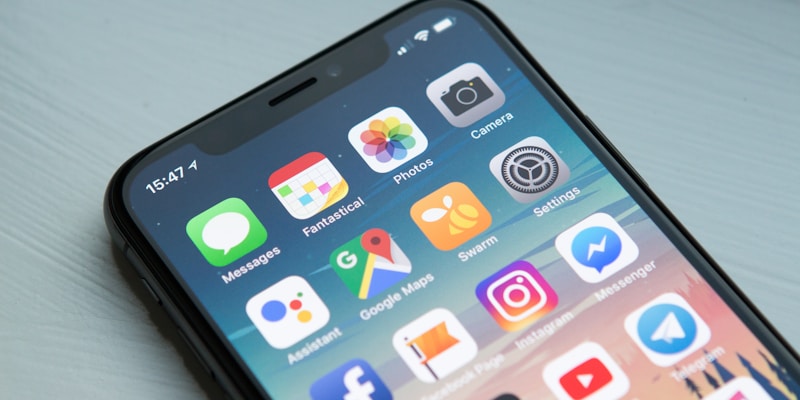
Google Maps Airport Interior: Indoor maps for all major international airports are available in Google Maps offline — useful for identifying the quickest route between terminals, gate distances, and the location of specific services (pharmacies, charging stations, specific restaurants). Download before departure when WiFi is reliable.
TripIt or Flighty: Travel itinerary management apps that import all your booking confirmations and organize them into a single timeline. Gate changes, delay notifications, and connection risk alerts arrive before the airport's announcement system acknowledges them — particularly useful for complex multi-leg international itineraries.
Airport Food: Eating Well Without Overpaying
Airport food pricing is among travel's most reliable irritants. The same sandwich that costs $7 at a street café costs $14 airside. The strategies for managing this:
- Pack food from outside: Solid food (sandwiches, fruit, nuts, energy bars) can be brought through security in all countries. Liquids over 100ml cannot — eat soup and yogurt before security.
- Identify the airport's best food area before arrival: Every major airport has one concourse or terminal where the food quality is genuinely better — usually the newest or most recently renovated. Research takes 2 minutes.
- Avoid restaurants immediately adjacent to gates: They're the most expensive and most crowded. Walking 5 minutes further from the gate to a food court typically saves 30–40%.
- International airports with genuine local food: Singapore Changi's hawker stalls, Tokyo Haneda's sushi conveyor, Amsterdam Schiphol's Indonesian rijsttafel, and Istanbul Atatürk's börek and çorba (soup) stations provide genuinely good food at reasonable prices — research specifically before arriving at these airports.

Frequently Asked Questions About Airport Travel
How early should I arrive at the airport?
Domestic with PreCheck: 90 minutes. Domestic without: 2 hours. International: 2.5–3 hours. Budget airlines with manual check-in: add 30 minutes. Always verify with your specific airline.
Is TSA PreCheck worth the money?
Absolutely — $85 for 5 years ($17/year) reduces security wait from 20–40 minutes to 3–5 minutes for travelers who fly 3+ times per year. Many premium travel cards reimburse the fee annually as a cardholder benefit.
How do I access an airport lounge for free?
Premium travel credit cards (Chase Sapphire Reserve, Amex Platinum, Capital One Venture X) include Priority Pass or proprietary lounge access. Airline elite status provides complimentary access at that carrier's lounges. Day passes ($30–$60) are available without membership. See our complete lounge guide.
What can I bring through airport security?
The 3-1-1 rule for liquids: containers of 3.4oz/100ml or less, in 1 quart-sized clear zip bag, 1 bag per person. Electronics (laptops, large tablets) must be removed from bags in US airports unless you have PreCheck. Solid toiletries (shampoo bars, deodorant sticks) bypass the liquid restriction entirely.