Costa Rica ruined me for zoos. After watching a resplendent quetzal in the cloud forest of Monteverde, a group of capuchin monkeys stealing fruit from a beachside cafe, and a sea turtle nesting on a moonlit beach — all in the same week — the idea of paying to see animals behind glass lost all appeal. Costa Rica is wildlife immersion at its finest.
Best Time to Visit Costa Rica
- December–April (Dry Season): The Pacific coast's best window — sunny days, accessible roads, and wildlife viewing at its most reliable. The Caribbean side maintains its own distinct climate and can be sunny when the Pacific is wet.
- May–November (Green Season): Rain falls most afternoons but mornings are often clear. The jungle is vibrantly green, waterfalls are at full flow, and accommodation prices drop 20–30%. Turtle nesting on both coasts peaks in July–October. Fewer tourists make wildlife sightings easier in many parks.
- July–August (High Green Season): Despite rain, this is actually peak tourist season (North American summer holidays) — book accommodation ahead and expect higher prices than the rest of the green season.
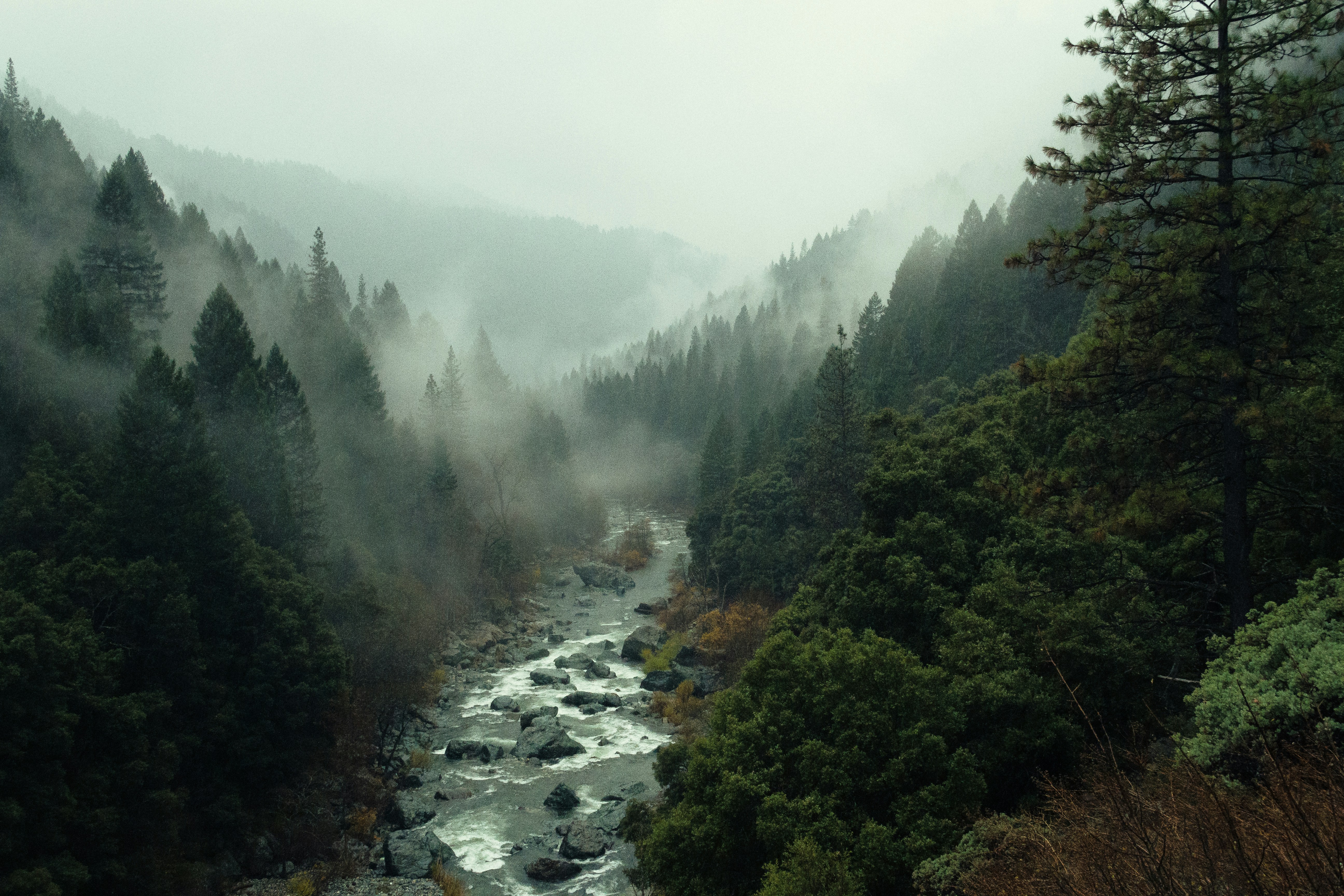
Costa Rica's Essential Regions
It's not the cheapest destination in Central America — neighbouring Nicaragua and Guatemala offer more for less money. But the infrastructure, the safety, and the sheer density of extraordinary natural experiences justify the premium.
Arenal Volcano and La Fortuna
The Arenal Volcano — a near-perfect symmetrical cone dominating the northern rainforest — and its associated hot springs, waterfalls, and adventure activities create the most complete Costa Rica experience in a single base. La Fortuna town provides the full range of accommodation (budget to luxury), restaurants, and tour operators. Essential activities: the Mistico Hanging Bridges (1.9km of suspended bridges through the cloud forest canopy at tree level), the La Fortuna Waterfall (30-minute hike, 70m plunge pool swimming), and the Arenal hot springs at Tabacón or the free public hot river at Chorritos. White-water rafting on the Río Toro and Río Sarapiquí (both Class III–IV) is available from La Fortuna with full-day transport and guide for $75–$95 per person.
Monteverde Cloud Forest
The Monteverde and Santa Elena Cloud Forest Reserves are among the world's most species-rich ecosystems — a highland forest permanently in cloud where the moisture supports extraordinary plant and animal density. The Resplendent Quetzal (one of the world's most beautiful birds, deeply sacred to Mesoamerican cultures) nests here from February to May — the Monteverde area is the most reliable quetzal viewing location in Central America. Night tours ($25–$35 per person) with guides who know where to find sleeping stick insects, tree frogs, and kinkajous provide a different forest dimension entirely. The Selvatura zipline ($45–$75) crosses the cloud forest canopy on a circuit of 18 cables and 3 Tarzan swings.
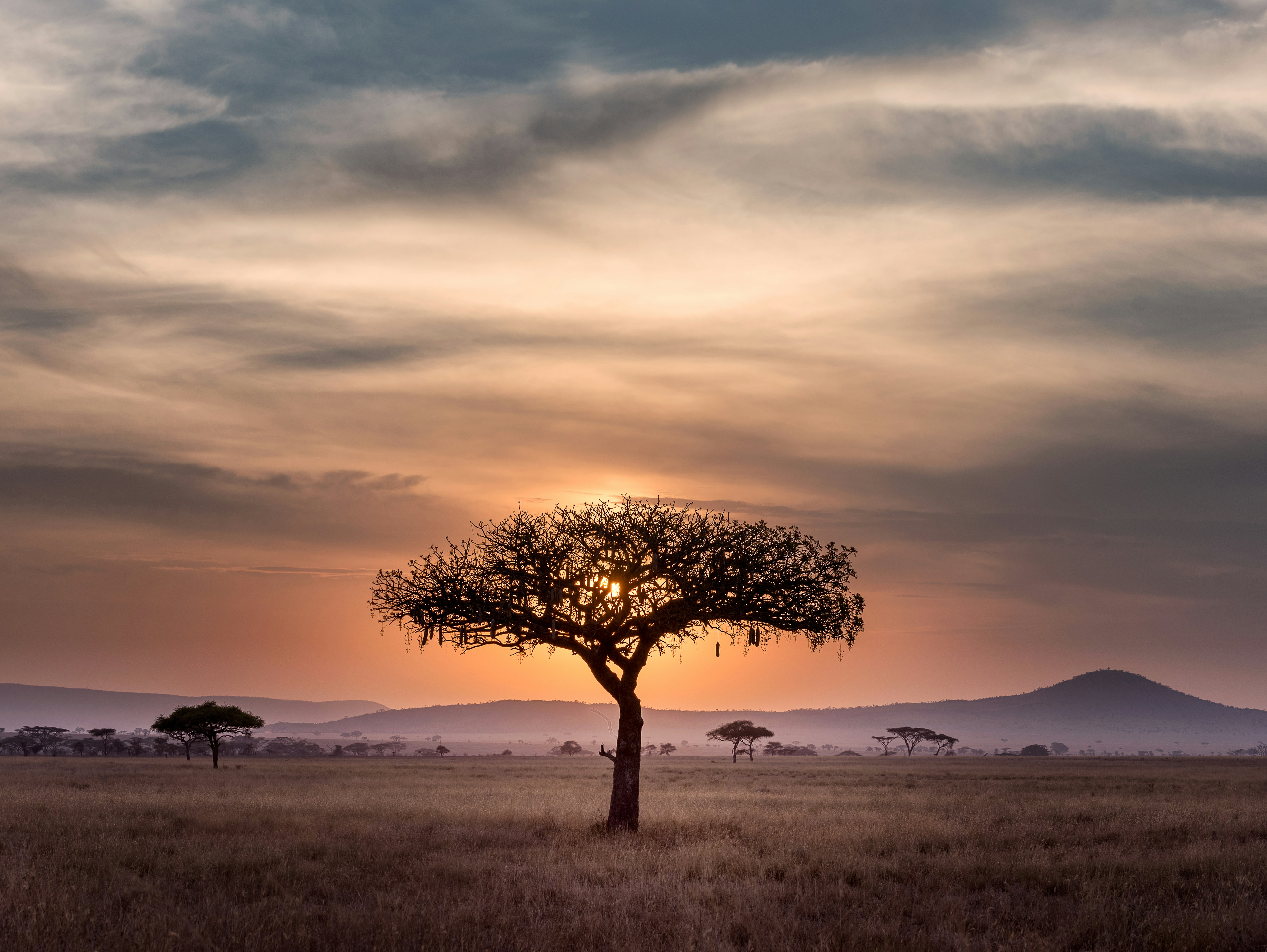
Manuel Antonio National Park
Costa Rica's most visited national park combines the country's finest white-sand beaches with exceptional rainforest wildlife. White-faced capuchin monkeys (habituated to humans but genuinely wild), three-toed sloths in cecropia trees at eye level, and rainbow-coloured poison dart frogs on the forest floor are regularly visible from the marked trails. The park's beaches — particularly Playa Manuel Antonio and Playa Biesanz — are among the most beautiful in Central America. Park entry ($22) is capped at 800 visitors per day — book online in advance at sinac.go.cr for peak season.
Tortuguero National Park (Caribbean Coast)
Tortuguero — accessible only by boat or small plane from Puerto Limón or from water-taxi points along the Caribbean coast — is the most important nesting site for green sea turtles in the western hemisphere. Between July and October, 50,000–100,000 female turtles emerge from the Caribbean to nest on Tortuguero's beaches — one of nature's most extraordinary events, witnessed on night tours ($25–$35) with certified guides who manage visitor access carefully to avoid disturbing nesting females.
✈️ Book Your Costa Rica Adventure
Find cheap flights to San José and book your Costa Rica eco-lodge.
✈ Search Flights 🏨 Book Hotels 🎫 Book ToursCosta Rica Adventure Activities
Costa Rica invented the adventure tourism category — many activities now found globally originated or were popularized here:
- Canopy ziplines: Originated in Monteverde. The country now has 100+ zipline circuits — quality varies significantly. Best: Selvatura (Monteverde), Midworld (near Arenal), and Hacienda Guachipelín (near Rincón de la Vieja volcano)
- White-water rafting: The Pacuare River is consistently rated one of the world's top 10 white-water rivers — a 2-day lodge-based trip down Class III–IV rapids through primary rainforest is one of Central America's finest outdoor experiences ($200–$350 per person including accommodation)
- Surfing: Both coasts have world-class breaks — Tamarindo (Pacific north, consistent year-round, beginner-friendly), Playa Hermosa near Jacó (powerful beach break, intermediate+), and Puerto Viejo on the Caribbean for the famous Salsa Brava reef break (expert, November–April only)
- Canyoning: Rappelling waterfalls in the rainforest, available from La Fortuna ($80–$120) — a combination of the waterfall itself and the surrounding jungle provides one of Costa Rica's most distinctive active experiences
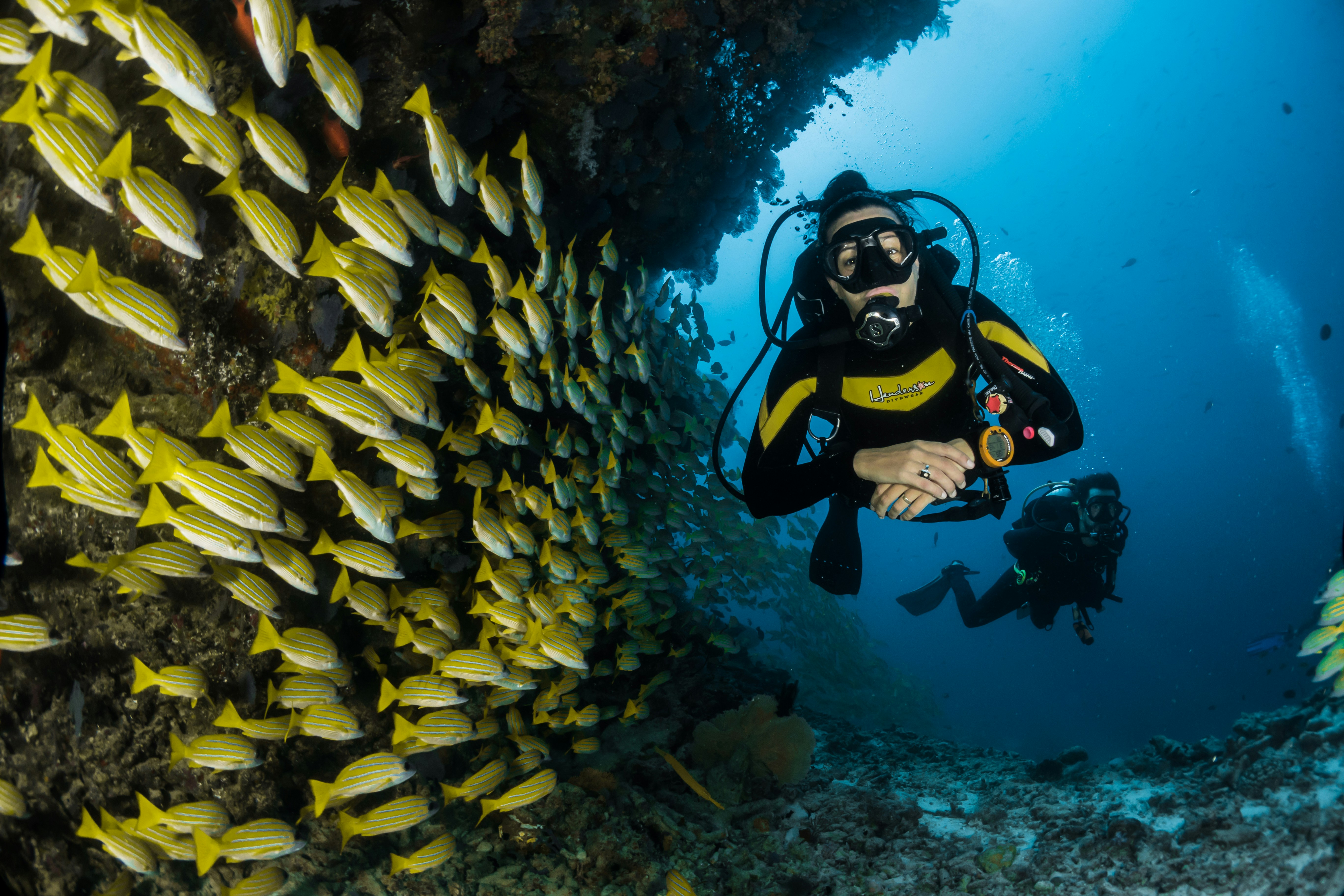
Costa Rica Wildlife Checklist
Costa Rica contains 5% of the world's biodiversity in 0.03% of the world's land area — 500+ bird species, 200+ mammal species, and extraordinary amphibian and reptile diversity. Reliable wildlife viewing doesn't require luck — it requires the right guide at the right time in the right habitat:
- Sloths (three-toed and two-toed): Virtually guaranteed at Manuel Antonio, Cahuita, and Tortuguero on guided walks
- Howler, spider, and white-faced capuchin monkeys: Daily sightings at Manuel Antonio and along forest trails throughout the country
- Toucans and scarlet macaws: Macaws are most reliably seen at Carara National Park (Pacific, July–December) and the Osa Peninsula
- Quetzals: Monteverde and San Gerardo de Dota (January–May) for nesting season sightings
- Sea turtles: Tortuguero (green turtles, July–October), Ostional (olive ridley mass nesting — "arribo" — September–October)
- Crocodiles: Crocodile Bridge on the highway between Jacó and Quepos — wild crocodiles sunning on the riverbank visible from the road
Costa Rica Budget Guide 2026
- Budget: $50–$80/day (hostel, local sodas [family restaurants], public bus transport)
- Mid-range: $120–$200/day (boutique hotel, guided tours, restaurant meals)
- Comfortable: $250–$500+/day (eco-lodge, private guides, domestic flights)
The primary Costa Rica costs: domestic transport between regions (shared shuttles $25–$50 per person versus public bus $5–$15, or private transfer $80–$150), guided tours ($25–$100 each), and eco-lodge accommodation ($80–$250/night) which is the main variable. Using public buses and cooking some meals reduces costs dramatically without compromising the primary experiences. Apply our budget travel hacks throughout — Costa Rica rewards planning but not over-spending on primary transport.
The Osa Peninsula: Costa Rica's Amazon
The Osa Peninsula in southwestern Costa Rica is the country's most remote and biodiverse region — National Geographic called it "the most biologically intense place on Earth." Corcovado National Park (within the peninsula) protects the largest primary rainforest on the Pacific coast of Central America and provides the highest density of wildlife encounters in the country: scarlet macaws, tapirs, white-lipped peccaries, all four monkey species, Baird's tapirs, and harpy eagles (the world's most powerful eagle) within a single park.
Access: Puerto Jiménez by domestic flight from San José (45 minutes, SANSA or Nature Air, $80–$100 one-way) or by boat from Sierpe (2 hours, $15–$25). The town has modest infrastructure — most visitors stay at eco-lodges surrounding the park. Corcovado requires entering with a certified guide (regulations since 2014 — prevents off-trail exploration that damaged fragile ecosystems). Day trips from Puerto Jiménez ($80–$120/person including guide, transport, and park fees) are the standard approach; multi-day camping within the park (Los Patos to Sirena ranger station, 2 days) provides the most extraordinary immersive experience.
The Osa is also excellent for offshore wildlife — Drake Bay boat tours encounter dolphins (multiple species), humpback whales (July–November, December–March), and whale sharks (December–April). The combination of terrestrial and marine biodiversity makes the Osa Costa Rica's finest wildlife destination for dedicated nature travelers willing to manage the additional transport logistics.
Costa Rica's Indigenous Cultures
Costa Rica has 8 recognized indigenous peoples — the Boruca, Bribri, Cabécar, Chorotega, Térraba, Ngäbe, Maleku, and Huetar — representing approximately 2.4% of the national population. The Bribri people of the Talamanca region near the Caribbean coast have developed the most accessible and ethically managed community tourism in the country — a day visit to a Bribri community provides cacao preparation (Costa Rica produces some of the world's finest cacao), medicinal plant walks, traditional house construction demonstrations, and river kayaking through primary forest, all managed by community members with profits returning directly to the community ($60–$90/person including transport from Puerto Viejo).
The Boruca people of southern Costa Rica are known for their extraordinary balsa wood devil masks — carved and painted in geometric patterns representing the mythological Diablitos Danza (Little Devils Dance) held annually in late December/early January. Their cooperative sells authentic masks directly at fair prices (€30–€150 depending on size and intricacy), providing an alternative to the mass-produced imitations found in San José's tourist markets. Use our sustainable travel guide for detailed guidance on ethical indigenous community tourism throughout Latin America.
Costa Rica's Caribbean Coast: The Other Side
The Caribbean coast of Costa Rica — from Limón south to the Panama border — provides a completely different experience from the Pacific: Afro-Caribbean and indigenous culture, reggae music, fresher seafood, coconut milk-based cooking, and a more relaxed, less developed tourism infrastructure that many travelers prefer to the Pacific's polished eco-lodge circuit.
Puerto Viejo de Talamanca is the Caribbean hub — a small, friendly town with a strong cycling culture (rent a bike and ride to the best beaches: Playa Chiquita, Punta Uva, Manzanillo), excellent Caribbean food (rice and beans cooked in coconut milk, ceviche with Caribbean spices rather than the Pacific's citrus-heavy version), and the world-class Salsa Brava reef break for expert surfers (November–April). The Gandoca-Manzanillo Wildlife Refuge immediately south protects both Caribbean beach and rainforest — dolphin tours, snorkelling, and the extraordinary red frog colony visible along jungle trails make it one of Costa Rica's undervisited ecological highlights. Cahuita National Park (30 minutes north of Puerto Viejo) combines the best reef snorkelling on the Caribbean coast with rainforest hiking and howler monkey encounters from the beach trail — a combination uniquely available on this coast.
Sustainable Tourism in Costa Rica: How to Visit Responsibly
Costa Rica pioneered the Certification for Sustainable Tourism (CST) program in 1997 — a national rating system for tourism businesses (hotels, tour operators, transport companies) based on environmental practices, social responsibility, and cultural heritage preservation. The CST rating (1–5 leaves) is the most reliable indicator of genuine sustainable practice versus greenwashing. When booking Costa Rica accommodation, filter for properties with CST 4- or 5-leaf certification — most are listed at the ICT (Costa Rica Tourism Board) website. Our sustainable travel guide covers Costa Rica's sustainability framework in detail alongside other leading destinations for responsible tourism. The investment in CST-certified properties is typically marginal (10–15% above comparable uncertified options) and provides direct support for the environmental protection infrastructure that makes Costa Rica worth visiting.
Frequently Asked Questions About Costa Rica Travel
Is Costa Rica safe for tourists in 2026?
Costa Rica is the safest country in Central America and one of the safest in Latin America for tourists. Standard urban awareness applies in San José. Tourist areas (Arenal, Manuel Antonio, Monteverde) have low crime rates. Review our travel safety guide for general safety practices.
What is Costa Rica famous for?
Ecotourism and wildlife (sloths, toucans, sea turtles, monkeys), adventure sports (ziplines, white-water rafting, surfing), volcano hiking (Arenal, Rincón de la Vieja, Irazú), and its extraordinary biodiversity representing 5% of global species in a country smaller than West Virginia.
How do I get around Costa Rica?
Shared shuttles ($25–$50) connect tourist destinations conveniently. Public buses ($5–$15) are very cheap but slower and less convenient. Rental 4WD is recommended for accessing remote areas and off-season roads — see our car rental guide for Costa Rica-specific advice. Domestic flights (Nature Air, SANSA, $80–$150) save 4–6 hours of driving to the Caribbean coast or Osa Peninsula.