Before I went to Australia, everyone told me the same things: expensive, far away, dangerous wildlife. After six weeks there, I can tell you the reality is both better and more complicated than the stereotype. Yes, it costs money. Yes, a bird tried to steal my lunch in Sydney. But the scale of beauty — from the red deserts of the outback to the impossibly blue waters of the Whitsundays — is unlike anything else I've experienced.
Best Time to Visit Australia
Australia's size spans multiple climate zones — the "best time to visit" varies dramatically by region:
- September–November (Australian Spring): The finest window for the east coast — Sydney and Melbourne at their most beautiful, wildflowers across Western Australia, and Queensland's Great Barrier Reef in excellent condition. Humpback whales migrating north along the east coast.
- December–February (Australian Summer): Beach season for the southern states. The Top End (Darwin, Kakadu) is in its wet season — spectacular but logistically challenging. Uluru and the Red Centre are at their hottest (45°C+ possible) — avoid midday outdoors.
- March–May (Autumn): Melbourne's restaurant scene peaks. Uluru and Red Centre become comfortable (25–32°C). The Whitsundays (Great Barrier Reef gateway) at peak quality before the winter wind patterns.
- June–August (Winter): The best window for northern Australia — Darwin's dry season, Kakadu at its most accessible, and Uluru at perfect temperatures (20–25°C). Southern cities are mild (14–18°C) with smaller crowds. Best time for whale watching off the NSW coast.
Sydney: The Harbour City
Australia rewards the traveler who slows down. The distances are real — it's bigger than Western Europe — and rushing between highlights means missing the magic that happens between them.
Sydney is consistently voted one of the world's most beautiful cities — an assessment supported by evidence available from almost every vantage point. The harbour is extraordinary in itself: 240km of shoreline, dozens of sheltered beaches, and the Opera House and Harbour Bridge creating an urban panorama that architecture and geography conspired to make extraordinary.
- Sydney Opera House: The UNESCO World Heritage building designed by Danish architect Jørn Utzon is best experienced from three perspectives — the approach on foot from Circular Quay (which reveals the shell roof geometry gradually), from the water (ferry from Manly provides the classic view), and from the inside (performances range from the Australian Opera to pop concerts; book at sydneyoperahouse.com). The building tour ($40) is worthwhile for anyone interested in architecture's relationship to construction difficulty — the shells required 14 years and numerous design innovations to build.
- Sydney Harbour Bridge: The BridgeClimb experience ($174–$328) provides the most dramatic Sydney perspective — guide-led climb to the 134m summit arch with 360° harbour views. The Pylon Lookout ($15) provides similar views from the southeast pylon without the climb price.
- Bondi Beach: Sydney's most famous beach — a 1km crescent of surf and social activity that represents Australian beach culture at its most condensed. The Bondi to Coogee coastal walk (6km, 2 hours) passes five beaches, Aboriginal rock engravings, and coastal cliffs that contextualise the beach within Sydney's broader geography.
- Royal Botanic Garden: Free, extraordinary, and one of Sydney's great gifts — 30 hectares of planted gardens beside the Opera House, containing one of the world's finest plant collections and evening populations of flying foxes (large bats) that roost in their thousands in the Moreton Bay fig trees.
Melbourne: Australia's Cultural Capital
Melbourne's reputation as Australia's food, arts, and coffee capital is backed by a density of restaurants, galleries, live music venues, and café culture that makes Sydney feel comparatively conservative. The laneway culture — espresso bars and restaurants hidden down the city's grid of graffiti-lined laneways — is Melbourne's defining urban invention and has been imitated worldwide without being replicated. Degraves Street, Centre Place, and AC/DC Lane give the experience; the locals' version lives in the suburbs of Fitzroy, Collingwood, and Brunswick.
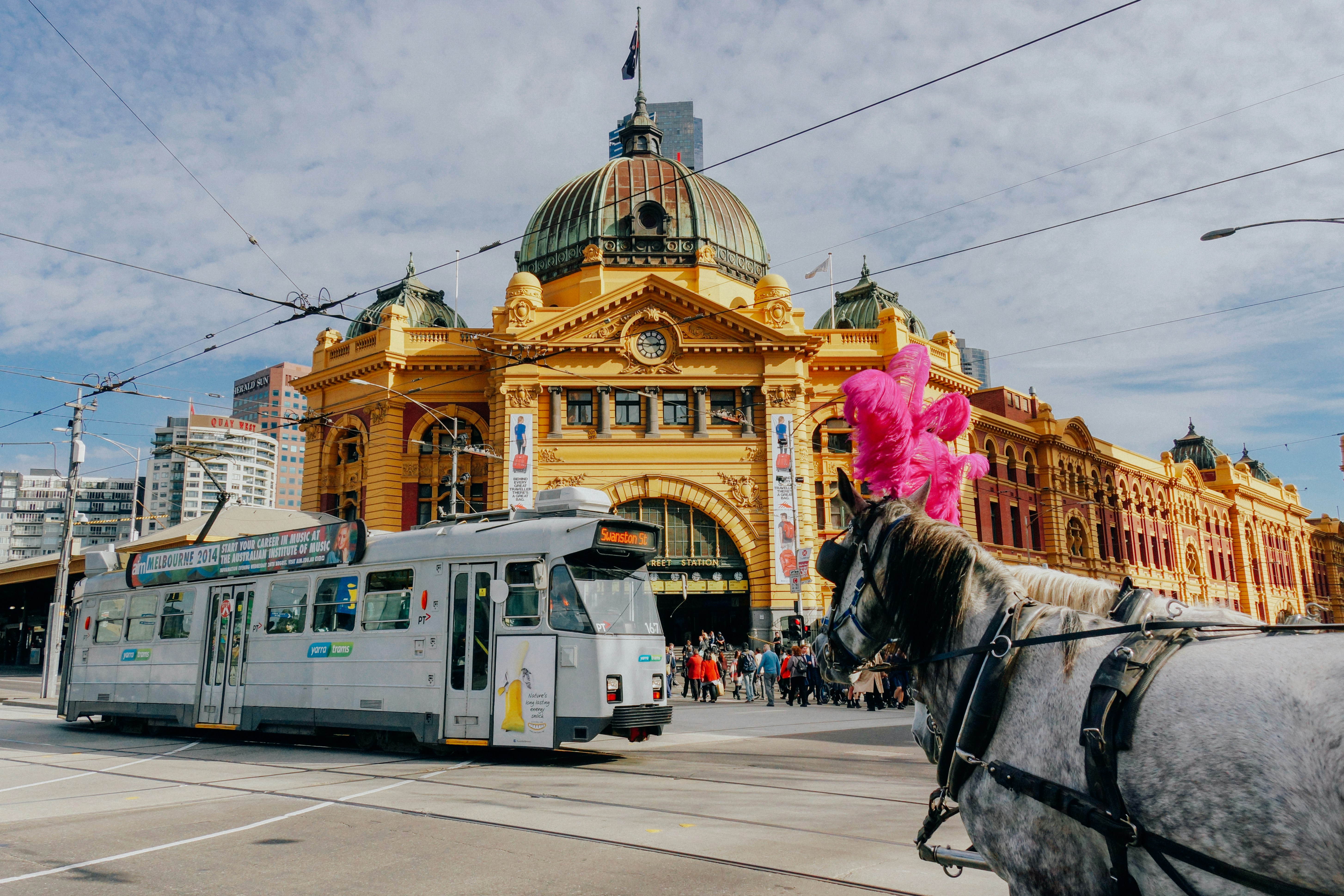
The Melbourne food scene is genuinely world-class: the Queen Victoria Market (the largest open-air market in the Southern Hemisphere, Tuesday–Sunday), the Dandenong Ranges' Vietnamese restaurants (Melbourne has one of Australia's largest Vietnamese communities), the Southbank promenade's restaurant strip, and the Royal Exhibition Building's Sunday Farmer's Market represent a food culture that reflects the city's immigrant diversity — Greek, Italian, Chinese, Vietnamese, Indian, Ethiopian — more completely than any other Australian city.
✈️ Book Your Australia Trip
Find cheap flights to Sydney or Melbourne and book your Australia adventure.
✈ Search Flights 🏨 Book Hotels 🎫 Book ToursThe Great Barrier Reef
The Great Barrier Reef is the world's largest coral reef system — 2,300km along the Queensland coast, visible from space, and containing 1,500 species of fish, 4,000 types of mollusc, 600 coral species, and 30 species of whales and dolphins. It is also, honestly, under serious stress from coral bleaching events driven by rising ocean temperatures — understanding this before visiting provides important context.
The best reef experience in 2026: Cairns and Port Douglas in far north Queensland provide the most developed reef tourism infrastructure. Liveaboard dive boats (3 days, 2 nights, from $600) reach the outer reef where coral health is best preserved. Day trips from Cairns ($80–$150) reach the inner reef which has experienced more bleaching impact. The Whitsunday Islands (fly-in from Brisbane or drive from Airlie Beach) provide the finest sailing base — snorkelling from your boat's transom in 28°C water with visibility exceeding 15m defines Australian sailing travel.
For non-divers: the Reef has extraordinary snorkelling accessible without any diving certification. Hardy Reef's Heart Reef (from the air — scenic flights from Hamilton Island, $220), the pontoon-based Reef experience at Agincourt Reef, and the semi-submersible and glass-bottom boats available at most reef platforms allow the experience without diving.
Uluru and the Red Centre
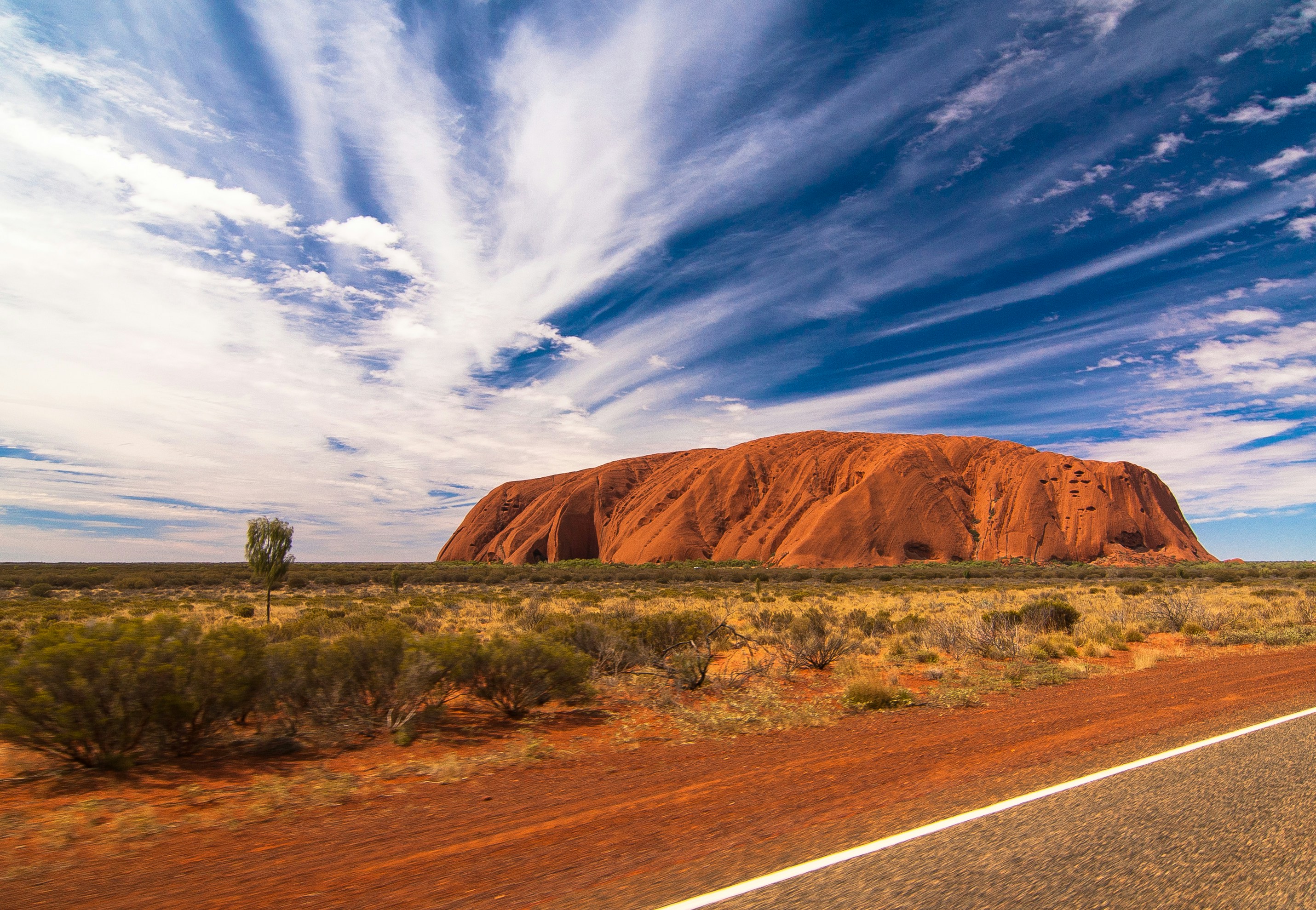
Uluru (formerly Ayers Rock) is one of earth's most emotionally powerful landscapes — a 348m sandstone monolith rising from the flat desert of Australia's geographical centre, 450km from the nearest city. The Anangu people, Australia's traditional owners, have managed this land for at least 10,000 years; Uluru is their most sacred site. Since October 2019, climbing Uluru is permanently prohibited out of respect for its cultural significance and the wishes of its traditional custodians.
The experience of Uluru is not diminished by not climbing it — the 10km base walk around the rock at sunrise and sunset, when the sandstone cycles through pink, red, orange, and purple as the light changes, is one of Australia's most extraordinary visual experiences. The Anangu-led "Mala Walk" guided tour (free, daily at 8am) provides cultural context that transforms the geological spectacle into something of genuine human depth.
Australia Wildlife Guide
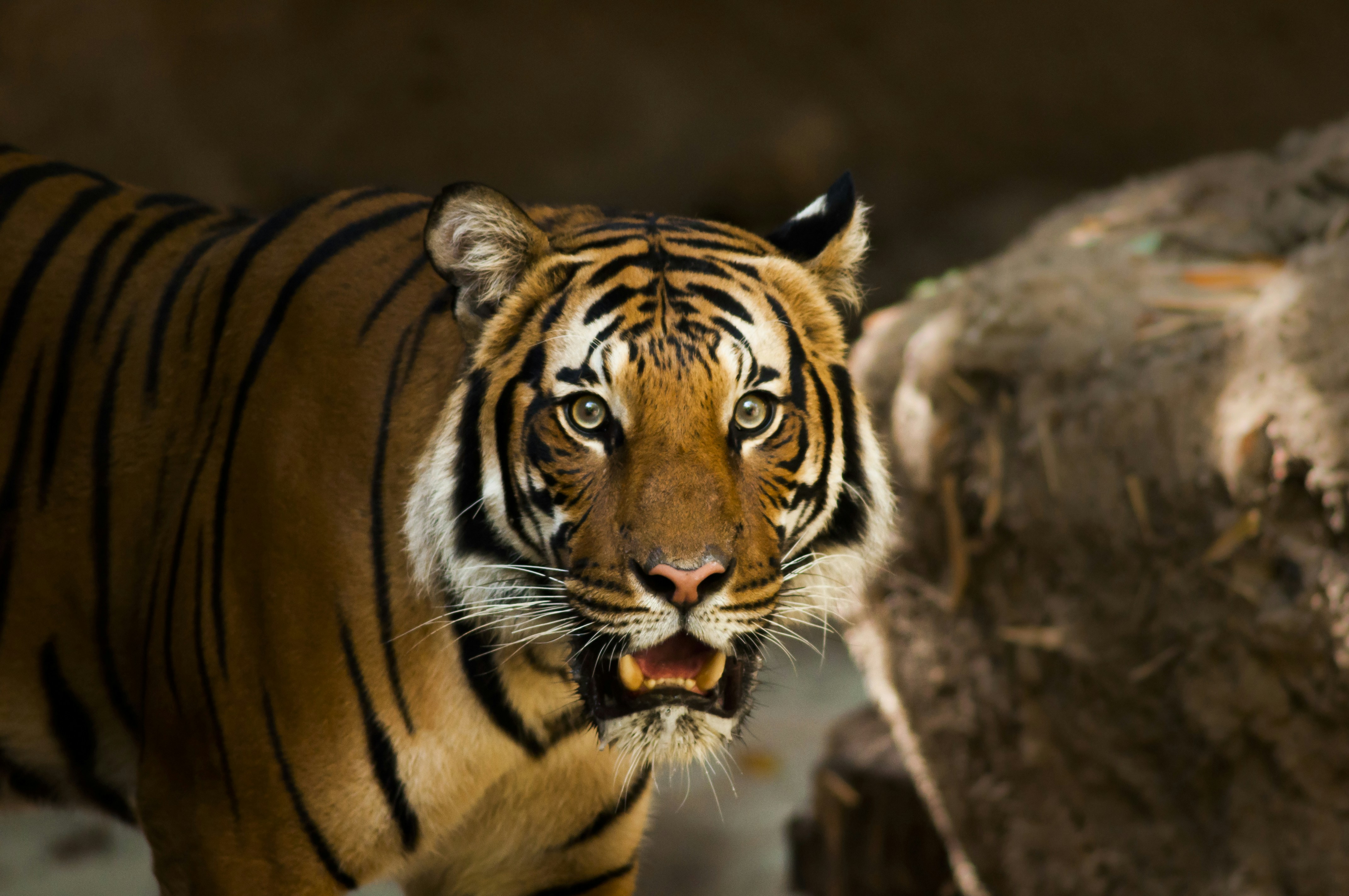
Australia's geographic isolation for 45 million years produced the world's most distinctive fauna — a wildlife list entirely unlike any other continent's. Where to see them:
- Kangaroos and wallabies: Abundant throughout; Murramarang National Park (NSW south coast) has Eastern grey kangaroos on the beach at dawn
- Koalas: Lone Pine Koala Sanctuary (Brisbane, $35) guarantees sightings and holding opportunities. Wild koalas at Kennett River (Great Ocean Road, Victoria) and Hanson Bay Wildlife Sanctuary (Kangaroo Island, SA)
- Platypus: Eungella National Park (Queensland) provides the most reliable wild platypus sightings — at dawn and dusk in the pools below Broken River Bridge
- Wombats, echidnas, Tasmanian devils: Tasmania is Australia's finest wildlife destination per square kilometre — Cradle Mountain for wombats, Maria Island for all three, and the Tasmanian Devil Unzoo near Taranna for the endangered devils
- Great White Sharks: Port Lincoln (South Australia) is the world's only destination for cage diving with Great Whites — the most adrenaline-concentrated wildlife experience in Australia
Australia Budget Guide
Australia is an expensive country by global standards — consistently among the world's highest cost of living countries with travel costs to match:
- Budget backpacker: $70–$100 AUD/day ($45–$65 USD) — hostel dorm, supermarket meals, public transport
- Mid-range: $180–$280 AUD/day ($115–$180 USD) — hotel, restaurants, tours
- Comfortable: $350–$600+ AUD/day ($225–$390 USD)
The most effective Australia savings: working holiday visa (18–35 year olds from eligible countries can work legally for 1–3 years), self-catering in holiday apartments (grocery stores are relatively affordable), camping and caravan parks ($25–$45/night for a powered site), and free camping on Crown Land in rural areas. Compare international flights to Sydney (SYD), Melbourne (MEL), or Brisbane (BNE) using our flight savings guide — Australia is one of the routes where points redemptions provide the most dramatic value against cash fares.
Tasmania: Australia's Island of Wilderness
Tasmania — Australia's island state, 240km south of the mainland — is the country's finest wilderness destination: 40% of the island is protected as national park or World Heritage area, making it one of the world's most accessible temperate wilderness destinations with extraordinary biodiversity and a growing reputation for exceptional food and wine.
Cradle Mountain in the Central Highlands is Tasmania's iconic landscape — a glacially sculpted dolerite peak above Dove Lake, surrounded by ancient pencil pines and pandani tree heath. The Overland Track (65km, 6 days) connecting Cradle Mountain to Lake St Clair is Australia's premier long-distance alpine trek — book the limited permits well ahead for the peak November–May season. For day visitors, the Dove Lake Circuit (6km, 2 hours) provides Cradle Mountain's essential view without overnight equipment.
Hobart's MONA (Museum of Old and New Art) is one of the world's most extraordinary private art museums — built into a sandstone cliff above the Derwent River, combining ancient art with provocative contemporary installations in a building that is itself an architectural event. Entry is free for Tasmanians; $45 for interstate/international visitors. The Dark Mofo festival (June) and MONA FOMA (January) have made Hobart one of Australia's most culturally active cities. Use our luxury hotel strategies for MONA-adjacent accommodation that transforms a museum visit into a full destination experience.
The Australian Food and Coffee Culture
Australian food culture has developed its own distinct identity over the last 30 years — driven initially by Asian immigration creating a culinary diversity unmatched in the English-speaking world, and more recently by a farm-to-table movement that draws on Australia's extraordinary ingredient quality. The coffee culture in particular — the flat white (invented here, not in New Zealand, regardless of ongoing trans-Tasman debate) and the third-wave specialty coffee scene centred on Melbourne's laneways — provides a reference standard against which travelers returning home measure every subsequent coffee for years.
The essential Australian food experiences: a Sydney Harbour seafood lunch featuring Sydney rock oysters and Moreton Bay bugs (a type of spiny lobster) at the Sydney Fish Market (the world's second-largest fish market after Tsukiji, open daily from 5am). A Melbourne morning coffee at a Fitzroy or Collingwood laneway café where the barista discusses single-origin extraction methodology with the gravity of a sommelier discussing vintages. A barramundi fish and chips at a Darwin waterfront restaurant as the sun sets over the Timor Sea. And a lamb chops barbie (barbecue) at literally any Australian backyard if the invitation is extended — it will be.
Practical Australia: Transport, Cost, and Connectivity
Australia's internal transport reality: the distances between major destinations (Sydney to Melbourne = 878km; Melbourne to Adelaide = 725km; Sydney to Cairns = 2,870km) make domestic flights the rational transport choice for most itineraries. Jetstar, Rex, and Bonza provide competition to Qantas and Virgin Australia on major routes — book 4–8 weeks ahead for fares of $30–$100 on most east coast routes. The Indian Pacific train (Sydney to Perth, 65 hours, 4,352km) and The Ghan (Adelaide to Darwin, 54 hours, 2,979km) are travel experiences in themselves rather than transport solutions — book months ahead for the luxury "Gold Service" (all-inclusive meals and off-train excursions) that makes these journeys worthwhile.
Mobile data: Australia's coverage is excellent along the east coast and in major cities but drops significantly in the Outback and between settlements in the Northern Territory. Purchase a SIM from Telstra (best rural coverage) on arrival — 30-day plans with 80–120GB data cost AUD $30–$50. Use our travel apps guide for the essential Australian travel apps including offline maps downloaded before entering remote areas.
Australia's Kimberley region in Western Australia provides the continent's most dramatic frontier experience — the sandstone gorges, waterfalls, and boab tree savannah of the remote northwest. El Questro Wilderness Park, the Horizontal Falls (tidal waterfalls), and the Bungle Bungle Range (beehive-shaped striped rock towers in Purnululu National Park, UNESCO) are accessible by 4WD or small aircraft from Broome. Book with a reputable outback tour operator — see our safari-style travel guide for advice on wilderness accommodation booking in remote Australia.
Frequently Asked Questions About Australia Travel
Do I need a visa to visit Australia?
Most visitors need a visa or Electronic Travel Authority (ETA). EU passport holders can apply for the free eVisitor online. US, Canadian, and Japanese passport holders use the ETA app (AUD $20). Both allow 3-month stays. Apply at least 72 hours before departure.
Is Australia safe for tourists?
Very safe — primary risks are environmental (extreme UV, surf conditions, outback driving distances) rather than crime-related. Always swim between the flags at patrolled beaches, use SPF50+ sunscreen, and carry sufficient water in remote areas.
What is the cheapest way to travel around Australia?
Budget airlines (Jetstar, Rex, Bonza) connect major cities for $30–$80 booked ahead. The Greyhound bus pass covers the east coast for backpackers. Campervans ($60–$100/day) allow simultaneous transport and accommodation flexibility. See our car rental guide for Australia-specific rental advice.
Is the Great Barrier Reef worth visiting despite bleaching concerns?
Yes — the outer reef accessed by liveaboard dive boats retains extraordinary coral health and biodiversity. Understanding the reef's conservation context enriches rather than diminishes the experience. Visiting contributes directly to the tourism economy that funds reef management and research.